How Much Does It Cost to Become a Security Officer in Texas?
The short answer: the total Texas security license cost for an unarmed security officer is roughly $115 plus fingerprinting. That’s $50 for our Level II course, a $37 DPS license fee and a $28.25 FBI background check. Becoming an armed (commissioned) officer costs roughly $515 to $765 plus fingerprinting. That’s our $230 Level II + III combo, a $57 DPS fee, the $28.25 FBI check, and an MMPI psychological evaluation that typically runs $200 to $450.
Texas security license cost breakdown
| Cost | Unarmed (non-commissioned) | Armed (commissioned) | Paid to |
|---|---|---|---|
| Training | $50 (Level II, online) | $230 (Level II + III combo) | Your training school |
| DPS license fee | $37 | $57 | Texas DPS |
| FBI fingerprint background check | $28.25 | $28.25 | Texas DPS / FBI |
| Fingerprinting appointment | Check IdentoGO | Check IdentoGO | IdentoGO |
| MMPI psychological evaluation | Not required | About $200–$450 | A licensed psychologist or psychiatrist |
| Approximate total | About $115 + fingerprinting | About $515–$765 + fingerprinting |
State fees are from the DPS private security fee schedule. Military members, spouses and veterans may qualify for reduced fees.

Training tuition
Training is the only part of the cost that varies by school. Across Texas, Level II courses commonly run about $45–$60 and Level III about $200–$410. Our prices:
- Level II: $50, 100% online.
- Level III: $200, with the classroom online plus an in-person training day in DFW.
- Level II + III Combo: $230, which saves $20 compared with buying both.
- Recertification / continuing education: $65, when it’s time to renew.
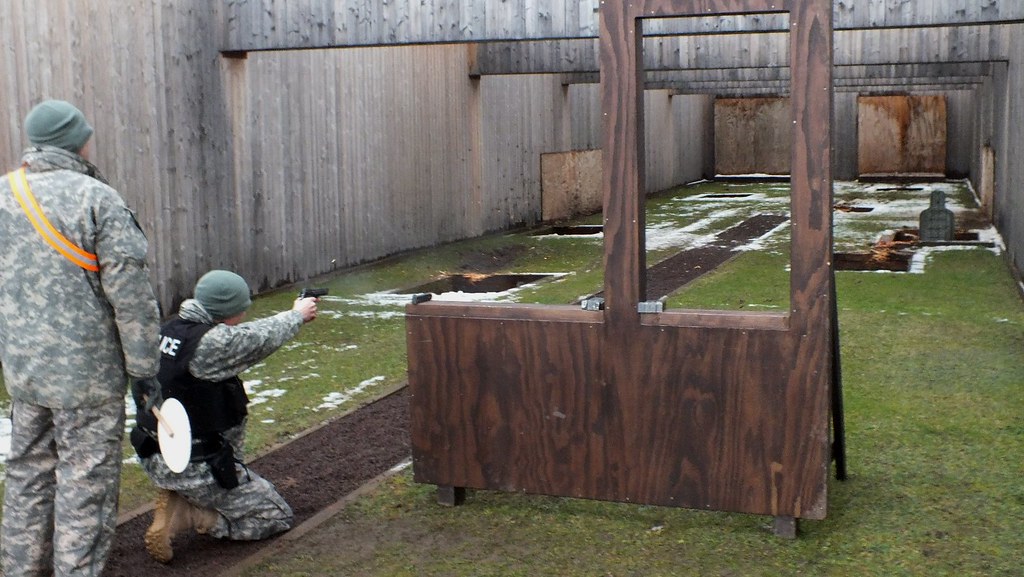
Range fees are included in our tuition, which many schools charge separately. You can bring your own eye and ear protection, firearm and ammunition, or reserve an equipment rental when you book: eye and ear protection ($5), or a firearm and holster ($150) with any ammunition used in our firearm included.
State fees and fingerprints
- License fee: $37 for a non-commissioned (unarmed) license, $57 for a commissioned (armed) or personal protection officer license. You pay it through TOPS when you apply.
- Background check: the FBI fingerprint check is $28.25.
- Fingerprinting: DPS requires electronic fingerprints taken by IdentoGO. Check IdentoGO’s site for its current appointment fee and locations.
The MMPI for armed officers
Texas law requires commissioned officers and personal protection officers to complete the Minnesota Multiphasic Personality Inventory (MMPI), given by a licensed psychologist or psychiatrist. Providers’ prices typically run about $200–$450. The good news: DPS considers an MMPI valid indefinitely, so you take it once, not at every renewal.
Who pays?
Usually you do, though DPS lets either the individual or their employer pay the state fees through TOPS, and some security companies cover training or fees for new hires. Ask before you pay. Also keep in mind that to hold a license in Texas you must be affiliated with a licensed security company, so many people line up an employer while they train.
Ongoing costs
Your license lasts two years. Renewing costs $37 (unarmed) or $57 (armed), and armed officers also need 6 hours of continuing education plus a firearms requalification, which is our $65 recertification course. See how to renew your Texas security license for the details.
FAQ
How much does it cost to get a security license in Texas?
About $115 plus fingerprinting for an unarmed license with our online Level II course, and about $515–$765 plus fingerprinting for an armed license, including the Level II + III combo, state fees and the MMPI.
How much is the DPS fee for a security license?
$37 for a non-commissioned (unarmed) license and $57 for a commissioned (armed) or personal protection officer license, plus a $28.25 FBI fingerprint background check.
How much does the MMPI cost for armed security in Texas?
Typically about $200–$450, depending on the provider. It’s required for commissioned officers and PPOs, and you only take it once.
Does my employer have to pay for my license?
No rule requires it, but DPS allows employers to pay state fees through TOPS, and some companies cover training for new hires. Ask your employer.
Photo credits
- Header: Photo: Images_of_Money, CC BY 2.0
- Photo: U.S. Army Europe, public domain